

Image-to-Image Workflows: When to Preserve a Composition and When to Start Fresh becomes a practical question once a source image is already close to useful. The temptation is to keep editing because the framing, perspective, and subject placement are already there. That can save substantial work. It can also trap you inside a composition whose underlying structure is wrong, forcing repeated surface changes onto a scene that needs to be rebuilt.
Reference Images for AI Image Generation Work Best When the Structure Is Already Right
A reference image earns its place when it has already solved the expensive visual decisions. The subject sits where it should, the camera angle supports the message, the negative space is usable, and the relationship between foreground and background feels intentional. In that situation, reference images for AI image generation provide a stable scaffold. You are no longer asking the model to invent the whole scene. You are asking it to preserve a useful arrangement while changing selected parts.
This is especially valuable when the composition carries meaning. A workshop visual may depend on a presenter leaving clear space for a slide title. A product scene may require the object to sit low in the frame so copy can occupy the upper third. A training image may need machinery, operator, and safety zone to remain in a specific relationship. If those positions already work, regenerating from zero throws away decisions you have already made.
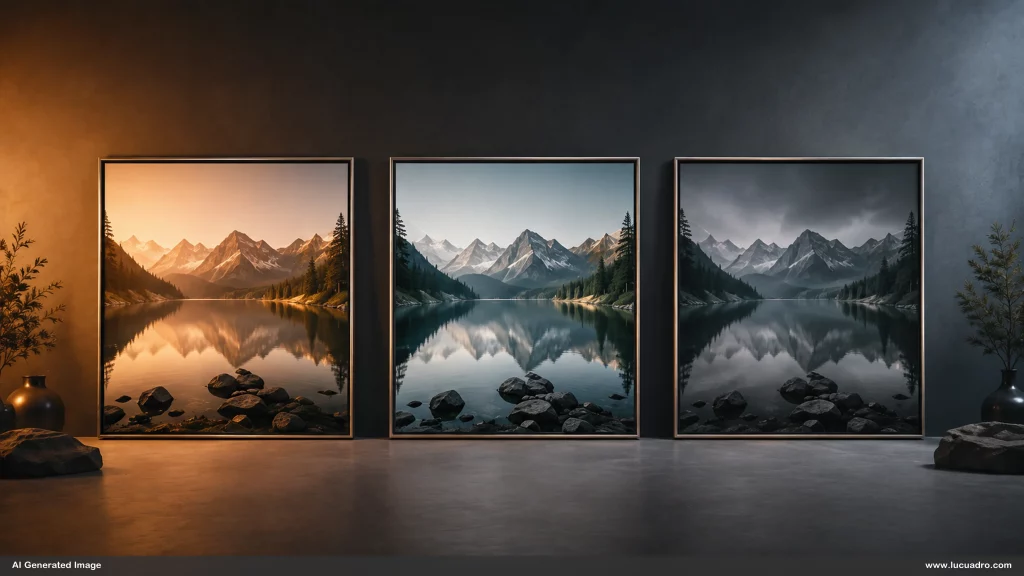
An Image-to-Image Workflow for AI Design Should Preserve Structure When Surface Changes
Preservation makes sense when the change is primarily about surface treatment. You may want a warmer light, a cleaner material finish, a different palette, a more photographic rendering style, or a revised background treatment without moving the major subjects. An image-to-image workflow for AI design is efficient here because the source carries the geometry while the generation changes appearance. You keep the expensive spatial logic and replace what is comparatively cheap to vary.
The same principle applies to controlled art direction. Suppose a machine-tool launch image already has the product at the right angle, enough negative space for headline copy, and a believable industrial setting. The brand team now wants cooler lighting and a more premium material treatment. Starting fresh creates unnecessary risk. The more structural decisions the source has already solved, the stronger the case for preserving it and restricting the new generation to a narrower set of visual changes.
When to Regenerate an AI Image From Scratch
There is a point where preservation becomes expensive. If you keep asking for wider framing, a lower camera, more separation between subjects, a different focal hierarchy, and a new direction of movement, you are no longer editing the surface. You are trying to replace the composition while still forcing the model to respect it. Knowing when to regenerate an AI image from scratch saves time because some problems cannot be repaired cleanly without releasing the original spatial constraint.
Watch for repeated corrections that keep returning in another form. You move a subject and the balance breaks elsewhere. You open more negative space and perspective starts to feel wrong. You simplify the background and the focal point becomes weaker. These are signs that the source image is not merely imperfect. Its structure is fighting the result you now want. Continued image-to-image editing can preserve exactly the relationships that need to disappear.
A fresh start is also stronger when the concept itself has changed. If a scene began as a close product portrait and the new direction is an environmental story with several interacting elements, the old image no longer deserves authority. The reference has become historical baggage. Preserve useful details separately if needed, such as the object design, wardrobe, or palette, but rebuild the composition around the new communication goal rather than around the accident of the previous frame.
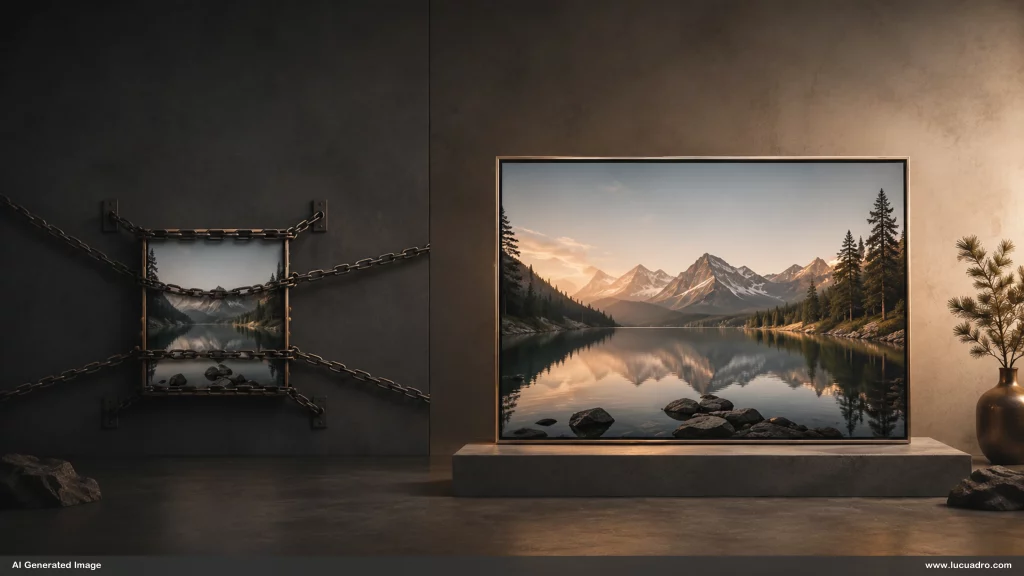
A Better Image-to-Image Workflow for AI Design Separates What Stays From What Changes
The cleanest decision comes from naming the fixed variables before you generate. Decide whether the source should preserve framing, camera angle, object placement, character identity, lighting direction, palette, or only one of those. Everything else becomes negotiable. This makes an image-to-image workflow for AI design easier to control because you know what success means before comparing outputs. If too many fixed variables have become liabilities, the answer is already pointing toward a fresh composition.
A useful test is to describe the desired change without mentioning style. If the request is still mostly about moving subjects, changing the camera, opening space, altering scale, or rebuilding the focal order, the composition itself is changing. If the request is mainly about finish, atmosphere, color, texture, or rendering character, the existing structure may still be doing valuable work. This distinction keeps the reference from receiving more authority than it deserves.
You can also separate a weak image into useful components. The composition may fail while the product rendering is excellent. The scene may be wrong while the character is worth keeping. The palette may be strong even though the hierarchy is confused. Treat those pieces as reusable references rather than forcing one image to remain the master.
Image-to-Image Workflows: When to Preserve a Composition and When to Start Fresh becomes easier once preservation is treated as a design choice rather than a default. Keep the source when it protects structure you still want. Release it when that structure limits the result. Lucuadro design resources fit the same production logic: retain useful building blocks, then recombine them under deliberate art direction.