
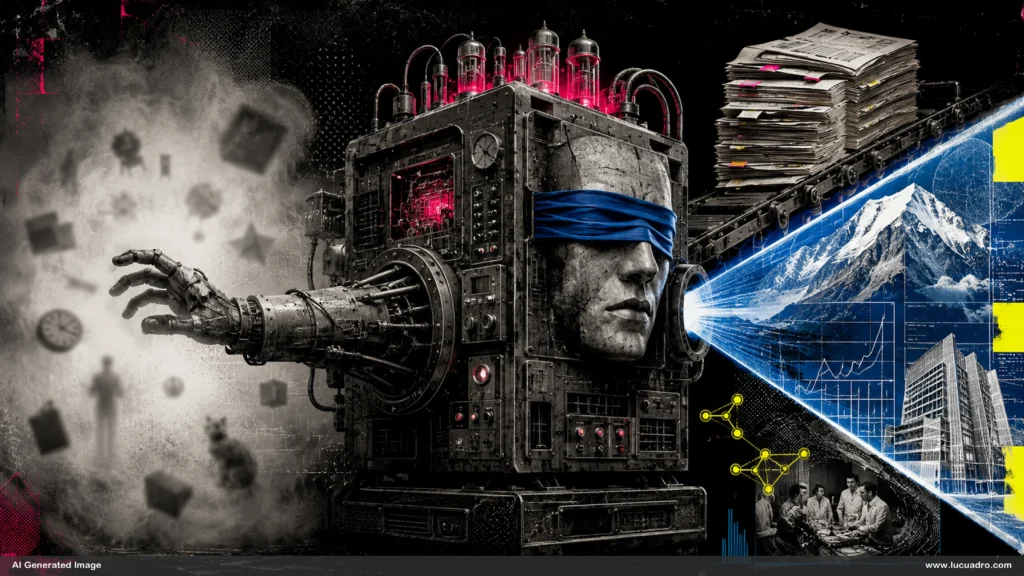
How giving AI source material changes the quality of its work is easiest to see when you compare a generic prompt with the same task grounded in real material. Without sources, the model has to reconstruct the problem from broad patterns. With documents, examples, references, transcripts, data, or images in front of it, the task becomes narrower and more concrete. That usually improves relevance, consistency, traceability, and control.
Source material replaces guessing with something concrete
If you ask AI to write about a product without providing the product information, the model has to infer what matters from your short description and its general knowledge. That can produce fluent but generic work. The missing details are filled with plausible assumptions.
Providing the actual product brief changes the task. The model can use the real features, terminology, audience, constraints, and positioning. Instead of inventing a likely version of the problem, it can work from the version you actually have.

Source material improves fidelity to your terminology and framing
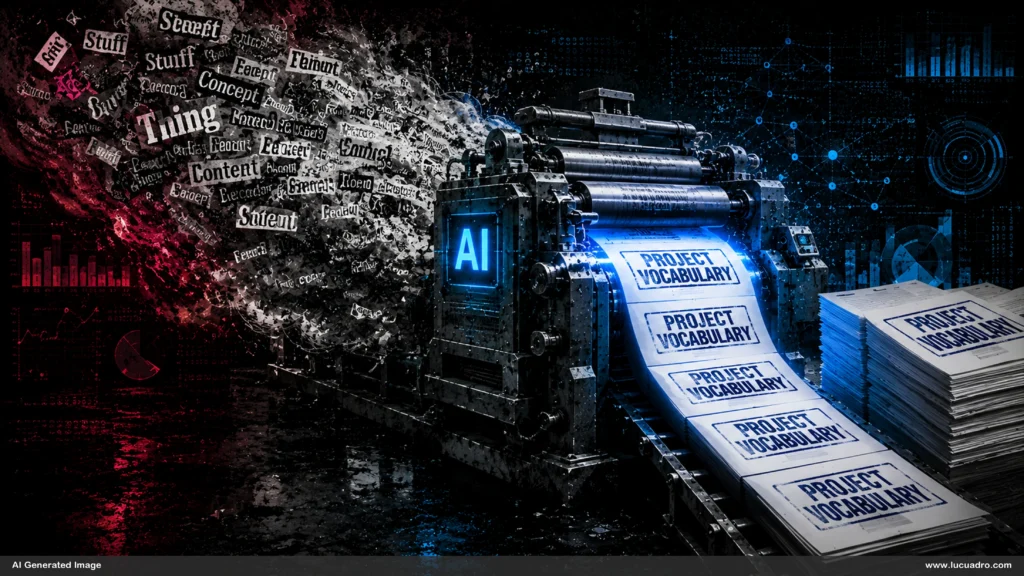
Every project develops its own language. A company may use particular names for products, workflows, customer groups, design systems, or internal concepts. A research project may define terms in a way that differs from common usage. A course may rely on its own sequence and examples.
When that source material is supplied, AI can mirror the vocabulary and structure already in use. This reduces the chance that it introduces alternate labels, generic phrasing, or a different conceptual frame. Consistent terminology matters because even small wording changes can make a document feel disconnected from the rest of the project.
References are especially powerful in creative work
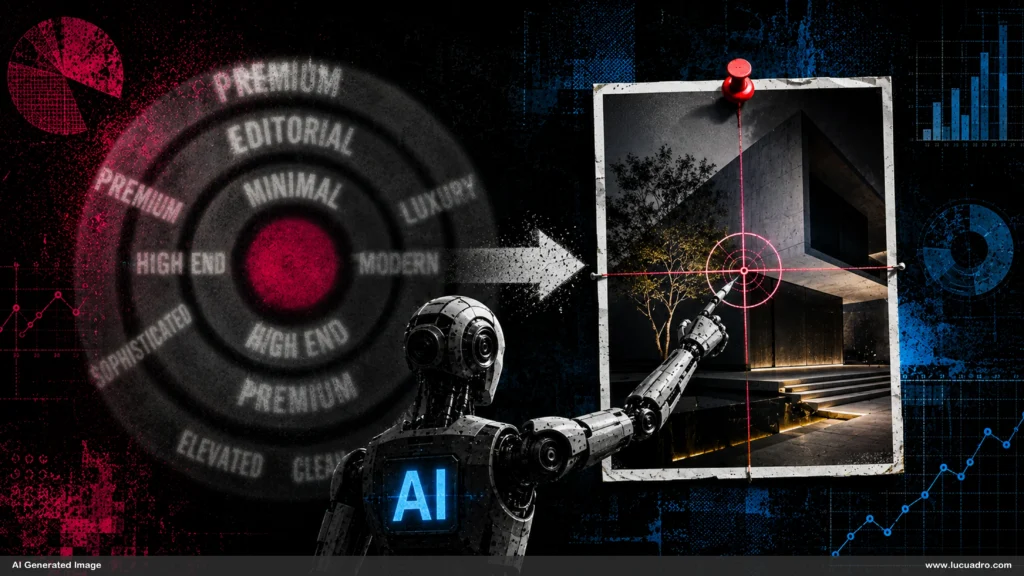
Creative instructions often rely on adjectives that are too broad to control the result precisely. “Premium,” “editorial,” “minimal,” or “high-tech” can describe many different outputs. A reference image, previous layout, approved design, or example campaign provides a richer specification.
The model can infer relationships that would be difficult to describe completely in words: spacing, density, composition, hierarchy, lighting, pacing, or visual emphasis. This is one reason better context makes AI dramatically more useful. A strong reference defines the target through evidence rather than adjectives alone.
Source-bounded work is easier to verify
When AI works from a supplied source, you can check whether the output is supported by that source. That makes the result easier to audit than an answer assembled from the model’s broader learned patterns.
You can ask the model to cite sections, preserve quotations, distinguish direct evidence from inference, or mark missing information. That does not make errors impossible, but it gives you a clearer basis for checking them. The source becomes the reference point for deciding whether the output is faithful.
The quality gain is often largest when the task is specific
General tasks may not need much source material. If you want ten brainstorming directions for a broad topic, general model knowledge may be enough. But the more specific the task becomes, the more valuable direct sources become.
Writing a generic article about onboarding is different from rewriting your existing onboarding guide. Comparing industries is different from comparing three reports you provide. Designing a generic business visual is different from extending an approved campaign system. Specific work benefits from specific evidence.
Source material lets AI transform instead of invent
Many of AI’s strongest practical capabilities are transformations. It can summarize a document, extract information from a transcript, reorganize research, rewrite a draft, compare two policies, or convert expert language into a clearer version. In each case, the source contains most of the substance already.
This connects to turning research into working knowledge. AI is often most dependable when it is reorganizing, compressing, comparing, or clarifying material that you can inspect yourself.
More source material is not automatically better
There is a limit. Giving the model everything you have can introduce irrelevant details, contradictions, outdated versions, and competing instructions. The context becomes larger but not necessarily clearer.
Good source selection is part of the work. Use the documents that are authoritative for the task, provide the relevant version, and explain which source should take priority when materials conflict. A smaller, cleaner evidence set can produce better work than a huge undifferentiated archive.
The source should define facts, while the prompt defines the task
Source material and instructions play different roles. The source provides the content, evidence, examples, and constraints. The prompt tells the model what to do with them. Confusing those roles can produce weak results.
A useful workflow might provide the original document and then specify the output audience, format, level of detail, and what must be preserved. The model is no longer asked to invent the substance. It is asked to transform the substance according to a defined objective.
Source material also makes collaboration easier because everyone can evaluate the output against the same reference. Instead of debating whether the model “understood the brief,” you can ask whether it preserved the source, followed the requested transformation, and respected the constraints. That makes review more concrete and reduces subjective disagreement about what the AI was supposed to do.
Better source material makes AI feel less generic
Understanding how giving AI source material changes the quality of its work explains why the same model can produce radically different results for two users. One provides a broad request. The other provides the actual material, constraints, examples, and standards that define the problem.