
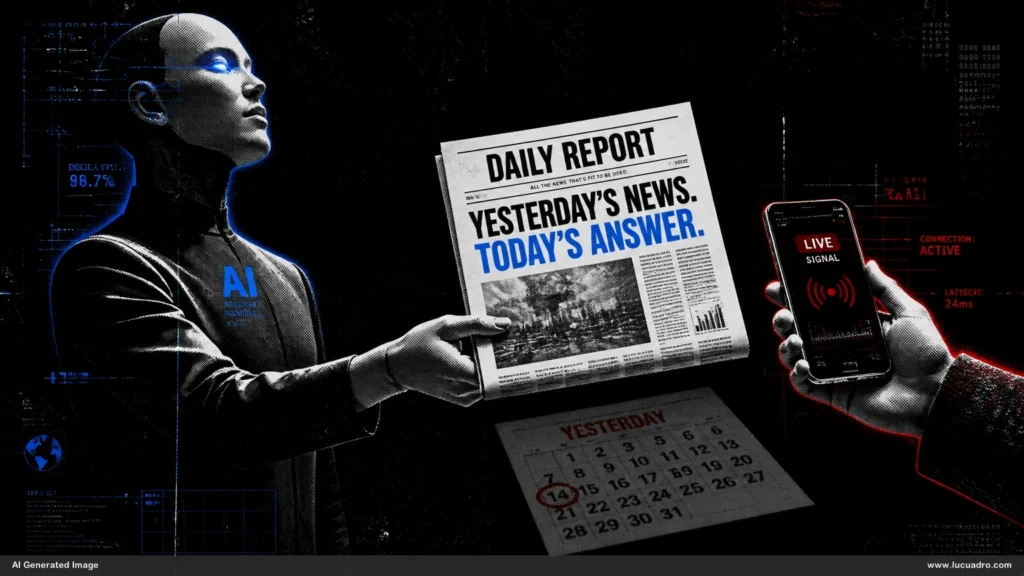
Why AI can give you yesterday’s answer to today’s question comes down to the difference between learned knowledge and live information. A model can know a great deal about the world while still lacking direct access to what changed this morning. If the question depends on current prices, leadership, laws, product availability, schedules, software versions, or breaking events, an answer generated from older learned patterns can sound current while already being out of date.
Training gives a model knowledge, not continuous awareness
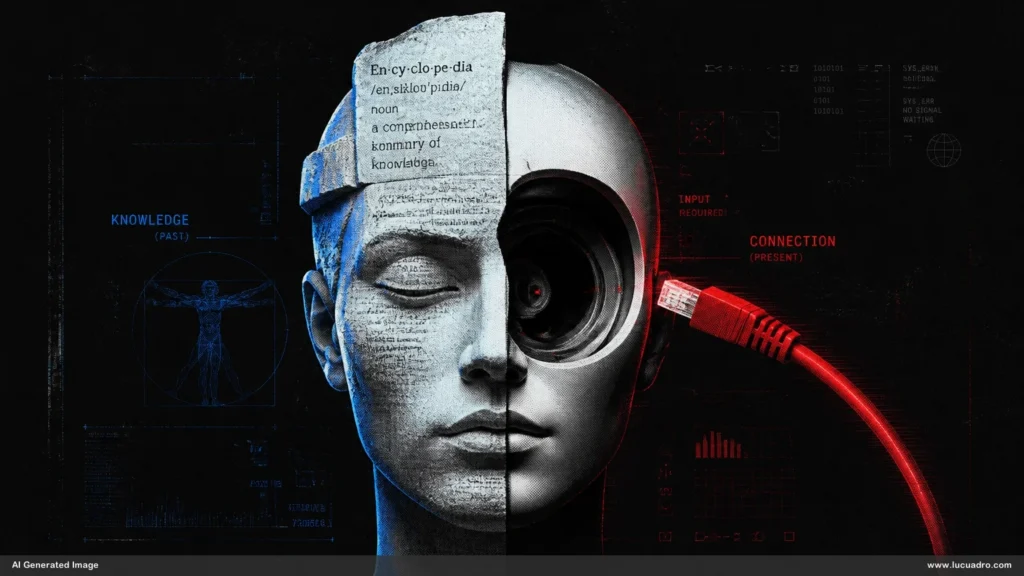
AI models learn from large collections of data gathered before training finishes. That process gives them broad knowledge of language, facts, relationships, and recurring patterns. It does not create a permanent live connection to everything that changes afterward.
Without retrieval, the model answers from what it has learned plus whatever information is included in the current conversation. If a fact changed after the model’s knowledge was formed, the model may still produce the older version because that is the strongest pattern available to it.
Many everyday facts change faster than people realize
Some information feels stable until you examine how often it moves. Company leadership changes. Prices fluctuate. Regulations are amended. Products are renamed. Software updates alter features. Event schedules shift. Businesses close, relocate, or change opening hours.
A model can answer confidently because the old information was once correct. The problem is temporal, not necessarily factual incompetence. A statement can move from true to false while remaining strongly represented in the model’s learned knowledge.
A current-sounding answer can hide an old information source
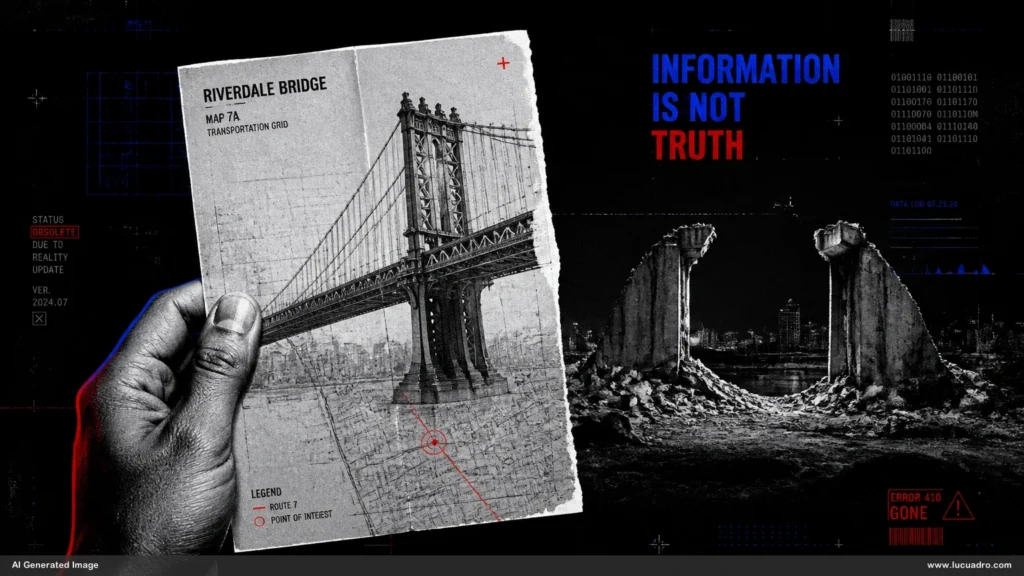
Language models naturally write in the present tense unless the task signals otherwise. That can make stale information feel more current than it is. The answer may say that a person “is” the CEO or that a product “costs” a certain amount even when those details came from older knowledge.
This is why tone should never be used as evidence of freshness. A fluent present-tense sentence tells you how the model phrased the answer, not when the underlying information was last verified.

Current questions need a different workflow
If the answer can change with time, the first question should be whether live retrieval is available. Search, connected databases, current APIs, official websites, or other tools can provide information that was not present during training.
This is part of why AI becomes more powerful when it can use tools. The model handles interpretation and synthesis, while the tool supplies the current state.
Freshness and accuracy are separate checks
An answer can be factually accurate but stale, or current but poorly interpreted. Those are different failure modes. A strong workflow checks both.
For example, retrieving a current webpage does not guarantee the source is trustworthy. At the same time, a highly authoritative old report may no longer describe present conditions. Good research asks both whether the source is credible and whether it is recent enough for the question.
The faster a fact changes, the less model memory should be trusted
Some topics have a long shelf life. Basic mathematics, established historical events, and stable conceptual explanations rarely need live verification. Other topics can change in hours or days.
The rate of change should determine the verification threshold. Breaking news, markets, weather, elections, product availability, sports scores, software releases, and operating hours deserve current sources. The more dynamic the subject, the weaker model memory becomes as a standalone source.
Date-sensitive wording helps expose the problem
Questions such as “Who is the current CEO?” or “What is the price today?” already imply a freshness requirement. You can make that requirement even clearer by including an exact date, location, version number, or time window.
That extra specificity helps the system understand that a generic historical answer is insufficient. It also makes verification easier because you know exactly what period the answer must describe.
Source timestamps matter as much as model timestamps
Even when AI can search the web, the newest result is not automatically the best result. Search results can surface old pages, cached information, outdated summaries, or evergreen articles that do not reflect the latest change.
The model therefore has to inspect publication dates, update dates, and the actual date of the event being described. Fresh retrieval reduces the problem, but careful source selection is still necessary.
Source material can anchor time-sensitive work
If you already have a current report, announcement, schedule, or policy document, giving it directly to the AI can be more reliable than asking the model to recall the information from memory. The source establishes a concrete time-bound reference.
This is why giving AI source material changes the quality of its work. For time-sensitive questions, the source does more than add context. It establishes what “current” actually means for the task.
A simple decision rule helps: ask whether a reasonable person would expect the answer to be different next month, next week, or even later today. If yes, treat freshness as part of correctness. The answer should identify where the current information came from and when it was verified, not merely present a confident conclusion.
Current information requires current evidence
Understanding why AI can give you yesterday’s answer to today’s question gives you a practical rule: if the answer could have changed since the model learned it, verify it. Model knowledge is powerful for stable patterns and background understanding. Live state belongs to retrieval, current sources, and explicit timestamps.