
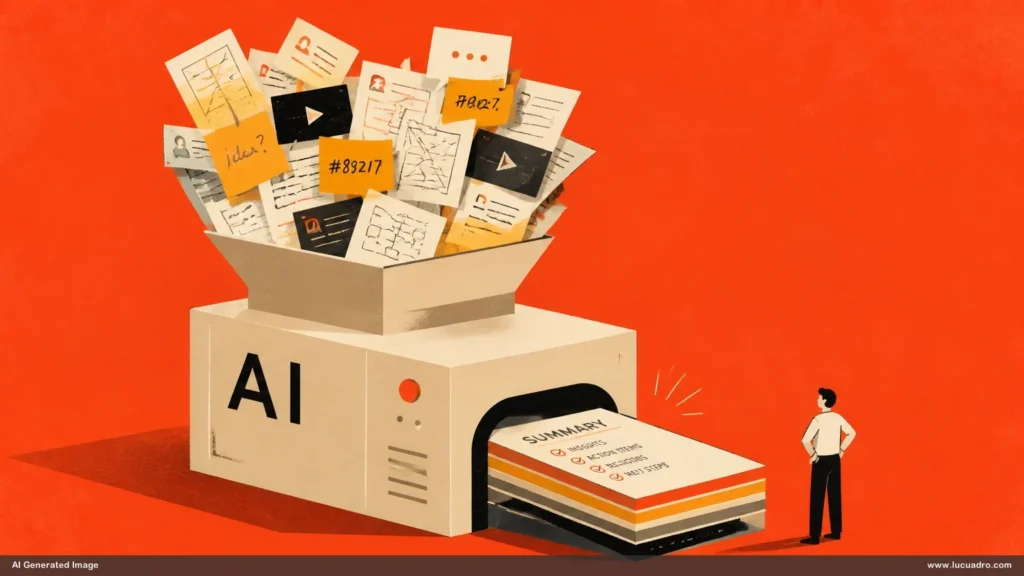
Why AI is so good at turning messy information into something useful becomes obvious when you stop treating it mainly as an answer machine. One of its strongest abilities is transformation. Give it scattered notes, rough transcripts, inconsistent documents, long discussions, mixed examples, or half-formed ideas, and it can often extract structure faster than a person working manually. The value comes less from inventing new facts and more from reorganizing what is already there.
AI is unusually strong at finding structure inside disorder
Messy information usually contains more structure than it appears to. A long meeting transcript may contain three decisions, four unresolved questions, and several repeated concerns. A folder of customer comments may contain recurring themes. A rough creative brief may mix objectives, constraints, references, and execution notes without separating them. Human readers can identify those patterns, but the process is slow because attention has to move repeatedly across the entire information set.
AI can process that material as a pattern problem. It can group related ideas, identify repeated concepts, separate instructions from examples, distinguish high-frequency themes from isolated comments, and convert loose fragments into a clearer hierarchy. This does not require the system to know more than the source material. It requires it to recognize relationships inside the material you already have.
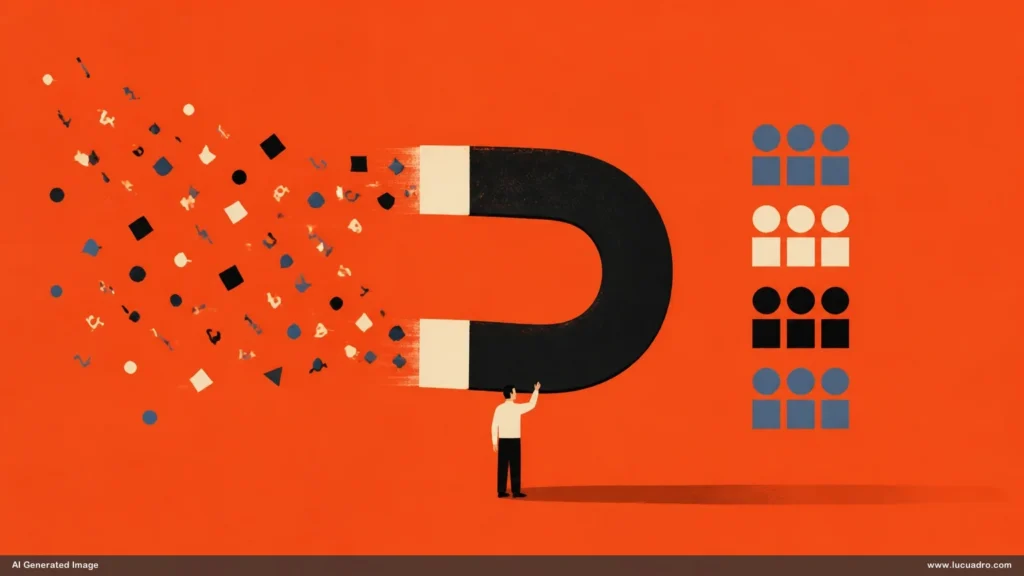
Reformatting information is often more valuable than generating information
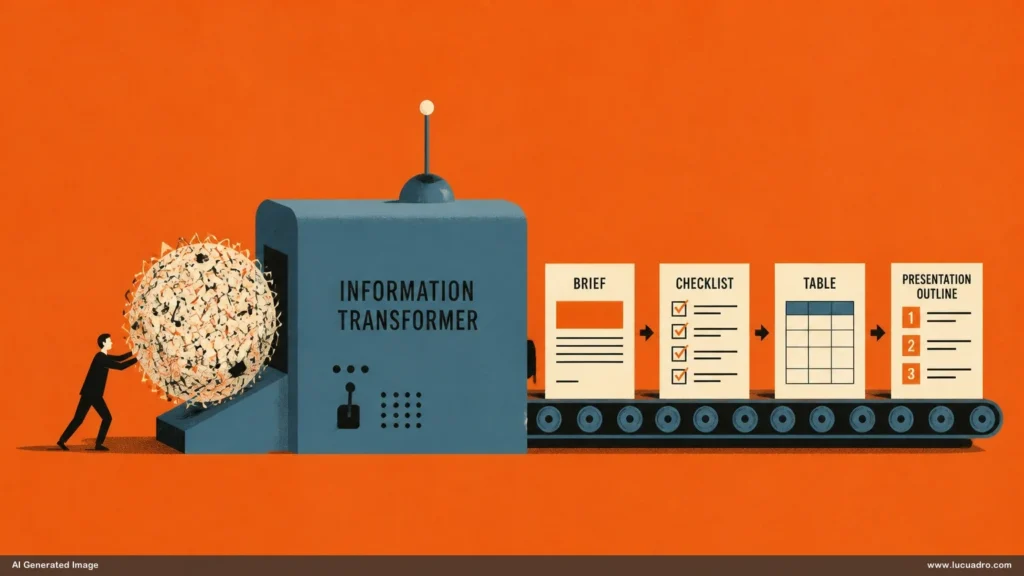
A surprising amount of professional work is not about creating facts from scratch. It is about turning one form of information into another. Notes become a brief. A brief becomes a presentation structure. Research becomes an executive summary. Customer feedback becomes categories. A collection of references becomes an art direction. A long explanation becomes a checklist. The information already exists, but it is trapped in the wrong format for the next decision.
This is a near-perfect use case for AI because success can be judged against the supplied material. You can compare the output with the source, correct omissions, restore nuance, and tighten the structure without depending on unknown external facts. The model becomes a transformation layer between one stage of work and the next. In many workflows, that is more dependable and more economically useful than asking it to produce an expert answer from nothing.
Compression helps you see what matters without losing the source
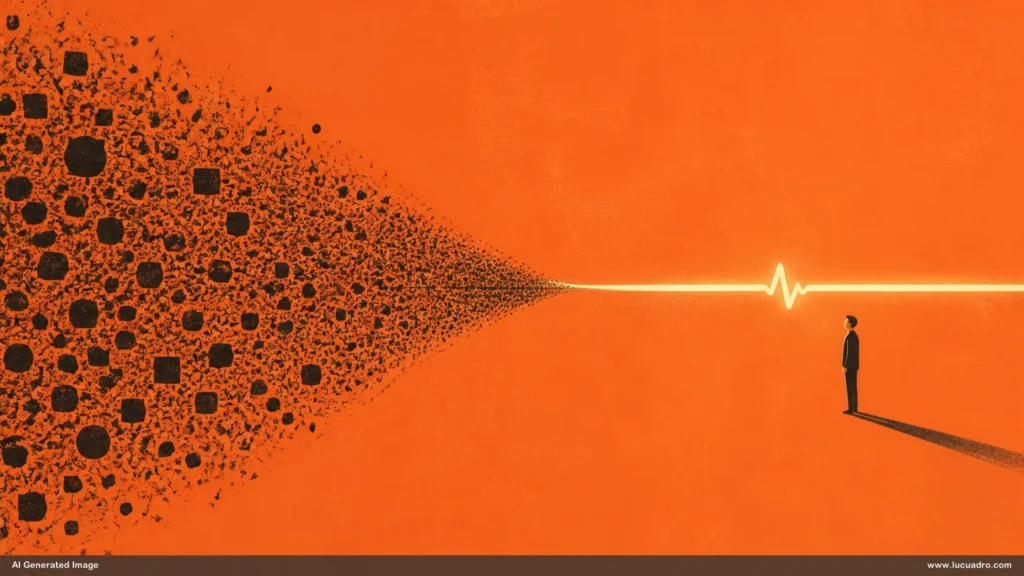
Information overload creates a practical problem before it creates an intellectual one. You may technically have everything you need, but the relevant signal is buried inside too much material. AI is useful because it can compress large inputs into smaller representations: themes, decisions, objections, key passages, recurring patterns, or prioritized actions. Good compression reduces the amount you need to hold in working memory before making the next move.
The important distinction is between compression and replacement. A summary should help you locate the important parts of a source, not become an unquestioned substitute for it. For consequential work, keep the original material available and trace important conclusions back to it. This preserves one of AI’s biggest advantages while avoiding the mistake of assuming that a clean summary contains every qualification that existed in the source.
AI can expose patterns that are difficult to notice manually
Once information is reorganized, relationships become visible that were hard to see in raw form. Ten isolated comments may look anecdotal. One hundred comments grouped by recurring complaint can reveal a strong pattern. A collection of design references may feel stylistically similar without making the common traits obvious. Ask AI to compare composition, lighting, framing, palette, and visual hierarchy across the set, and the shared structure becomes easier to articulate.
This connects directly to why AI is good at pattern recognition. The system does not need perfect knowledge of the outside world to be useful here. It needs enough consistency in the supplied examples to detect repeated relationships. When the information set itself contains the answer, AI can often make that answer easier to see.
Strong inputs reduce the amount of invention the system has to do
The quality of this workflow depends heavily on what you give the model. A vague request forces it to infer more. A rich source set allows it to transform more. That is why source documents, screenshots, examples, reference images, spreadsheets, transcripts, and approved claims are so valuable. They narrow the task from open-ended generation to bounded interpretation and restructuring.
The same principle applies in visual production. A pile of separate assets may be difficult to combine manually, but once the components are clear, AI can help propose arrangements, harmonize style, modify elements, or create coherent variants. This is one reason layered design assets you can combine into your own compositions are powerful. The system starts from material with real structure instead of inventing every visual decision at once.
The best AI workflows often begin with something imperfect
You do not need clean inputs to benefit from AI. In many cases, the mess is exactly where the value starts. Rough notes, unfinished outlines, fragmented research, inconsistent visual references, and unstructured feedback are difficult for humans because the organization work feels tedious and cognitively expensive. For AI, that organization problem is often highly tractable because the recurring patterns are already present.