
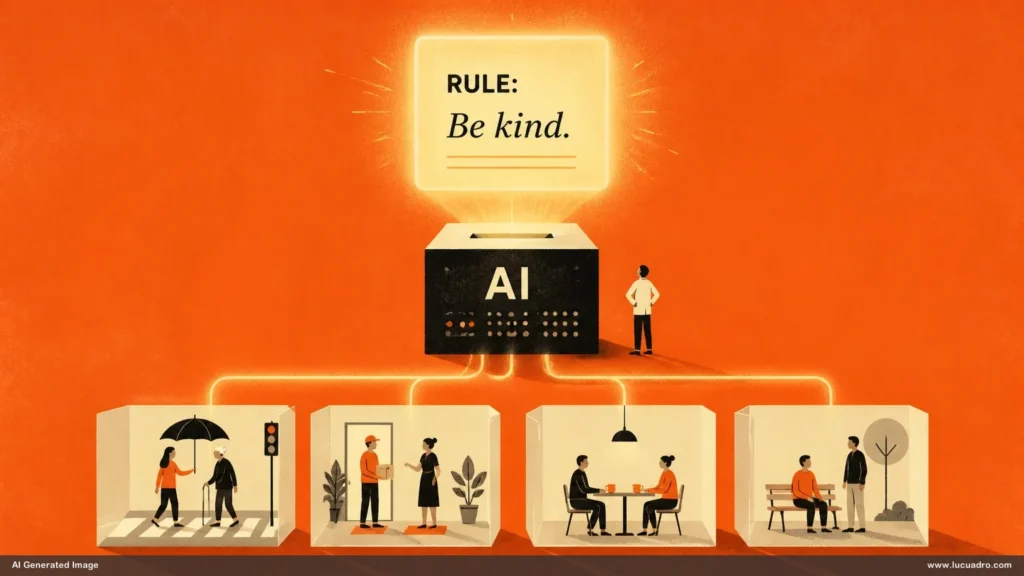
Why AI is excellent at creating examples on demand comes down to a simple advantage: examples are variations of structure. Once a model understands the pattern behind an idea, it can generate new cases that fit that pattern almost instantly. That makes it useful for learning, writing, training, analysis, and creative work. Instead of waiting for the perfect example to appear in a book or article, you can ask for one tailored to the exact concept, audience, or context you are working with.
Examples turn abstract ideas into something you can inspect
A definition tells you what something means. An example shows what it looks like in use. That difference matters because many concepts feel clear until you try to recognize or apply them. A rule about visual hierarchy, customer segmentation, probability, or persuasive framing can sound straightforward in theory while remaining difficult to identify in practice.
AI helps bridge that gap by generating concrete instances. You can ask for a simple example, a realistic example, a business example, a visual example, or an example from a field you already understand. The model gives the abstract rule a visible form, making it easier to connect words to actual situations.
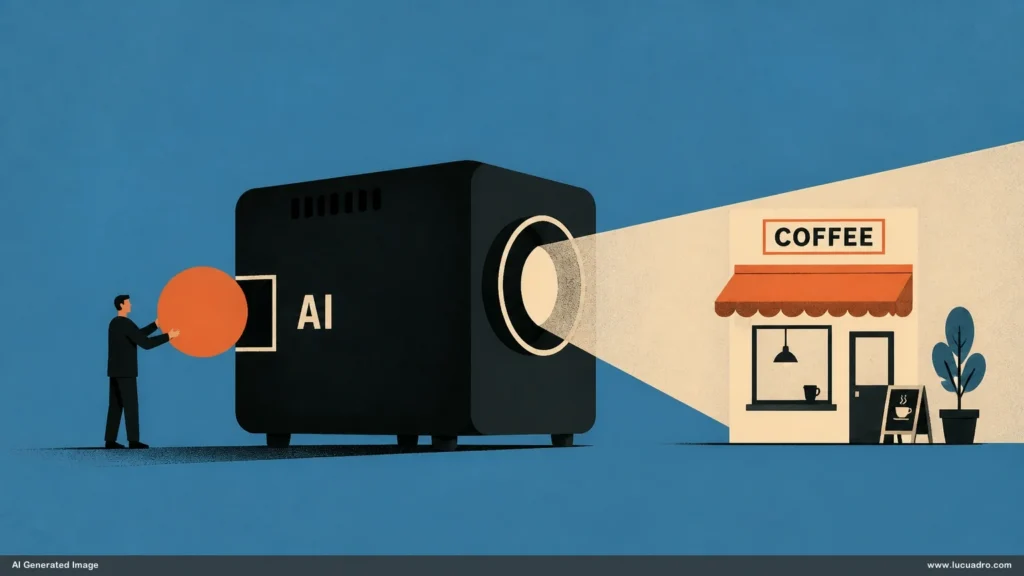
AI can generate examples that match your specific context
Generic examples often fail because they are too distant from the task you care about. A textbook may explain a concept through manufacturing when you work in marketing, or through finance when you are trying to understand design. The underlying principle may transfer, but the unfamiliar context adds unnecessary cognitive load.
AI can adapt the example to your domain. You can ask for the same concept through a landing page, presentation, sales email, classroom exercise, product comparison, or creative brief. That contextual flexibility makes examples more useful because you spend less effort translating from someone else’s situation into your own.
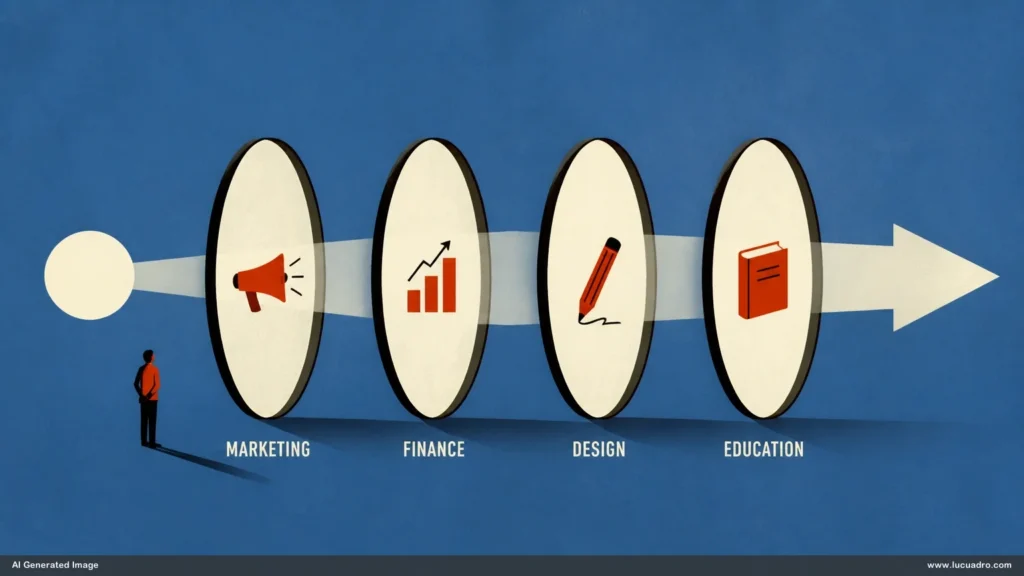
Counterexamples are often even more useful than examples
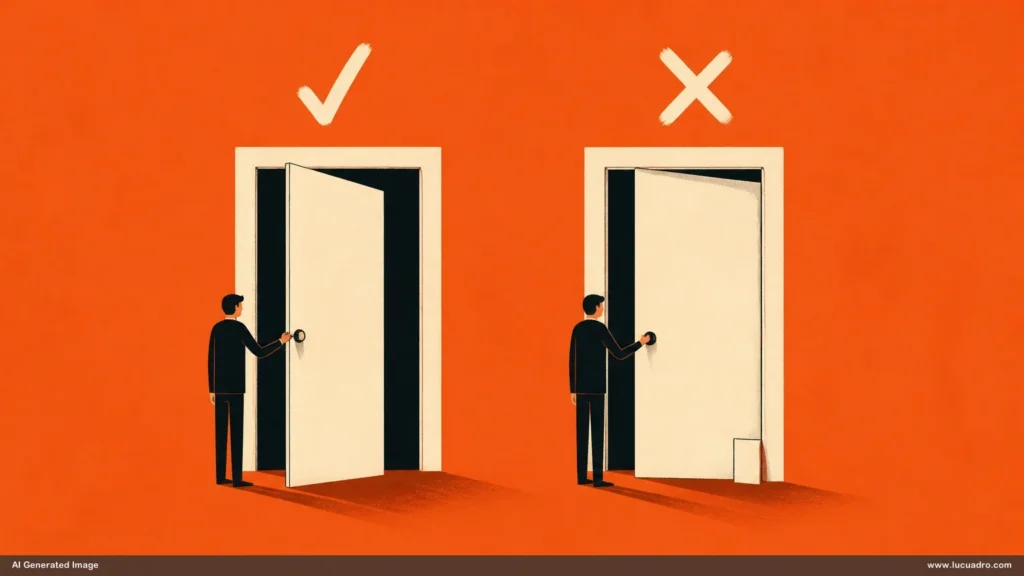
Understanding improves when you can see where a concept stops applying. A good example shows what fits the rule. A counterexample shows what looks similar but does not. That contrast helps define the boundary more precisely. Without it, people often learn an idea too loosely and apply it everywhere.
AI is useful because you can request both sides immediately. Ask for three correct examples, three near misses, and one case where the rule clearly fails. Then compare what changes between them. This turns the model into a source of controlled variation rather than a machine that simply repeats the textbook definition.
Examples can be scaled from obvious to difficult
A single example may create false confidence. You understand the easy version, then discover that real cases are messier. AI can generate a progression instead. Start with a clear case, then ask for a less obvious one, a borderline case, and an example with distracting details that make the underlying pattern harder to see.
This connects directly to how AI explains ideas at different difficulty levels. Difficulty can be adjusted not only through explanation, but through the examples themselves. The concept stays the same while the recognition task becomes more demanding.
On-demand examples make practice far easier to produce
Practice material is expensive to create manually because every new question, scenario, or case needs to be invented. AI can generate large numbers of practice examples around one skill while varying surface details. That is useful for teaching, internal training, interview preparation, writing exercises, design critique, and skill development.
The advantage is not just quantity. You can ask the model to target a particular weakness. If someone struggles to distinguish two similar concepts, generate examples that force that distinction. If a learner understands the rule but misses edge cases, generate edge cases. Practice becomes more adaptive because the examples can change in response to performance.
Creative work benefits from examples because they make direction visible
Examples are also useful when the task is not educational. A vague creative instruction such as “make it feel more premium” is hard to interpret. A few contrasting examples of premium versus generic composition, restrained versus cluttered layouts, or strong versus weak focal hierarchy make the desired direction much easier to understand.
This is closely related to using AI to generate multiple ideas. Examples give those alternatives a clearer frame. Instead of producing random variation, the model can generate cases that demonstrate specific qualities, helping you identify which traits should be preserved and which should change.
Generated examples still need to be checked
There is one important limit. An example can sound plausible while being factually wrong, structurally misleading, or too simplified. This matters most in technical, legal, scientific, historical, or high-stakes subjects. A fabricated example can teach the wrong rule just as efficiently as a correct one teaches the right one.
The safest use is to separate illustrative value from factual authority. If the example is fictional and only demonstrates a structure, label it mentally as such. If it depends on real facts, verify them. AI is excellent at generating candidate examples, but the usefulness of those examples still depends on whether they accurately represent the concept.
The real strength is instant, targeted variation
Understanding why AI is excellent at creating examples on demand helps you use examples as an active tool rather than passive decoration. You can request cases that match your context, adjust difficulty, generate counterexamples, create practice material, and make abstract qualities easier to see. That turns one explanation into a much richer learning or decision environment.